What Is Water Damage Restoration? Complete Homeowner Guide (2026)
Learn what water damage restoration is, how the process works, mold prevention tips, and when to call REN Services & Restoration.
By REN Services & Restoration
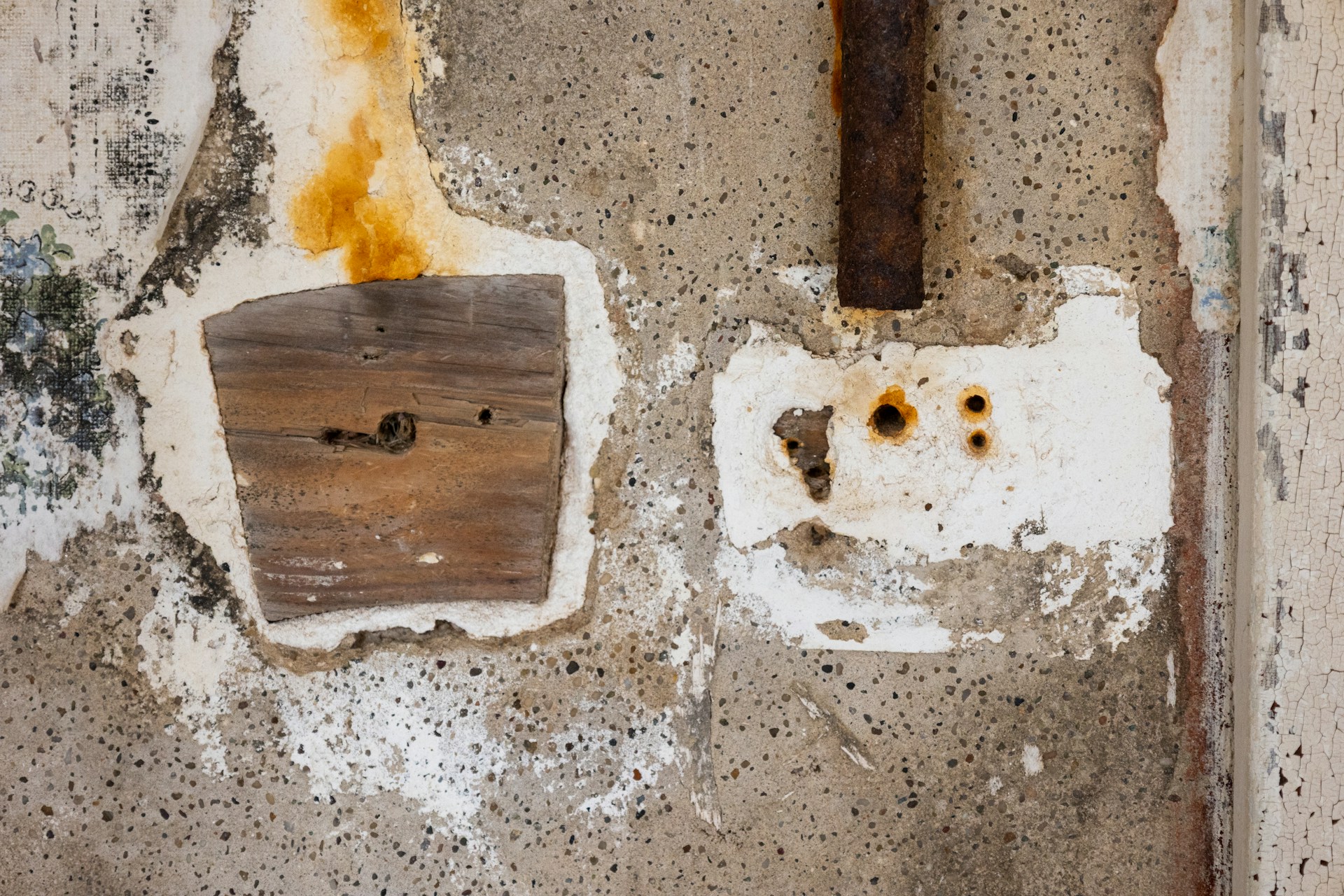
Water damage can occur at any time due to burst pipes, appliance leaks, roof damage, storms, or flooding. Water damage restoration is the professional process of removing water, drying affected areas, sanitizing surfaces, and restoring a property toward its condition before the loss.
Acting quickly can reduce repair costs, limit structural damage, and help prevent mold growth. If water is spreading through your property, contact REN Services & Restoration for 24/7 professional emergency assistance.
What Is Water Damage Restoration?
Water damage restoration refers to the coordinated recovery process after water enters a home or commercial property. It goes beyond removing visible standing water. Restoration specialists inspect the affected area, locate hidden moisture, dry structural materials, clean contaminated surfaces, and repair damage caused by the water.
A professional water mitigation company may use commercial grade extraction equipment, dehumidifiers, air movers, thermal imaging cameras, and moisture meters during the restoration process. The goal is to address affected materials while reducing the risk of secondary damage.
Learn more about our professional water damage restoration services.
Common Causes of Water Damage
Residential and commercial water damage can have many causes, including:
- Burst or frozen pipes
- Plumbing supply line failures
- Overflowing washing machines, dishwashers, toilets, or bathtubs
- Storm flooding and heavy rainfall
- Damaged or leaking roofs
- Foundation cracks
- HVAC system leaks
- Water heater failures
- Sewage backups
Even a small leak can spread behind walls, beneath flooring, or into insulation. Prompt inspection and burst pipe water damage repair can help prevent a manageable problem from becoming a larger restoration project.
The Water Damage Restoration Process
Although every loss is different, professional residential water restoration usually follows six main steps.
1. Inspection and Assessment
Restoration technicians identify the water source, inspect visible damage, and use moisture detection tools to determine how far the water has traveled. They also evaluate the type of water involved and develop an appropriate restoration plan.
2. Water Extraction Services
Standing water is removed using professional pumps and extraction equipment. Fast water removal helps limit damage to flooring, drywall, furniture, and other building materials.
3. Structural Drying and Dehumidification
After extraction, air movers and commercial dehumidifiers are positioned throughout the affected area. Structural drying services remove moisture that may remain in walls, floors, framing, and other materials.
4. Cleaning and Sanitization
Affected surfaces and salvageable belongings are cleaned as needed. Sanitization and odor control treatments may also be used, especially when the water contains contaminants.
5. Mold Prevention Treatment
Technicians continue monitoring moisture levels and may apply antimicrobial treatments where appropriate. Thorough drying is one of the most important steps for mold prevention after water damage.
6. Repairs and Property Restoration
The final stage may involve replacing damaged drywall, insulation, flooring, trim, paint, or other materials. Minor losses may require limited repairs, while severe flooding may require more extensive repair work or properly licensed specialty trades.
Each step supports a thorough restoration process and helps reduce the chance of hidden moisture causing future problems.
How Much Does Professional Water Damage Restoration Cost?
The cost of emergency water damage cleanup varies from one property to another. Important pricing factors include:
- The size of the affected area
- The amount of water present
- The water contamination category
- The length of time materials remained wet
- The equipment and drying time required
- The materials that can be cleaned or must be replaced
- Whether repairs or specialty trade work are needed
Addressing water damage immediately often reduces overall restoration expenses. Delays can allow moisture to spread into additional rooms and increase the likelihood of mold, damaged flooring, deteriorated drywall, and structural repairs.
A professional inspection is the best way to understand the scope of work and receive an estimate based on the actual conditions at your property.
Water Damage and Mold Prevention
Mold can begin developing within 24–48 hours after water exposure when moisture, warmth, and organic materials are present. Carpet, drywall paper, wood, insulation, and dust can all provide conditions that support growth.
Professional property drying services help reduce this risk through:
- Rapid removal of standing water
- Controlled airflow and dehumidification
- Moisture readings throughout the drying process
- Inspection of hidden or enclosed spaces
- Removal of materials that cannot be safely restored
- Antimicrobial treatment when appropriate
These steps can also help protect indoor air quality. Drying only the visible surface is not always enough because moisture may remain beneath flooring or inside wall cavities.
When Should You Call a Professional?
Call a professional restoration company when:
- Water has spread across multiple rooms
- Flooring, drywall, ceilings, or insulation are wet
- The water may contain sewage or other contaminants
- Water entered through storm flooding
- You cannot identify or stop the source
- A musty odor or visible mold appears
- Moisture may be trapped behind walls or beneath floors
- You need emergency flood restoration or specialized drying equipment
Small, clean water spills may sometimes be handled with immediate household cleanup. Larger losses and contaminated water require professional equipment, safety procedures, and moisture monitoring.
Frequently Asked Questions
What is water damage restoration?
Water damage restoration is the process of removing water, drying structures, cleaning contaminants, and repairing damaged property after a leak, flood, or other water related emergency.
How long does water damage restoration take?
Small projects may take a few days, while major losses can take several weeks. The timeline depends on the amount of water, affected materials, drying requirements, contamination level, and repair needs.
Can water damage cause mold?
Yes. Untreated moisture can lead to mold growth within 24–48 hours. Fast extraction, professional drying, and ongoing moisture monitoring can reduce the risk.
Should I call a professional for water damage?
Professional restoration is recommended when water affects structural materials, spreads beyond a small area, contains contaminants, or may be hidden. Trained technicians can detect and remove moisture that is not visible at the surface.
Protect Your Property After Water Damage
Water damage restoration helps homes and businesses address structural damage, mold risk, and needed repairs. A prompt response can make more materials salvageable and shorten the path back to normal.
REN Services & Restoration provides professional restoration solutions after water related emergencies. Learn more about our credentials or contact REN Services & Restoration for help with water extraction, structural drying, flood cleanup, and property restoration.
Related Articles
More restoration resources
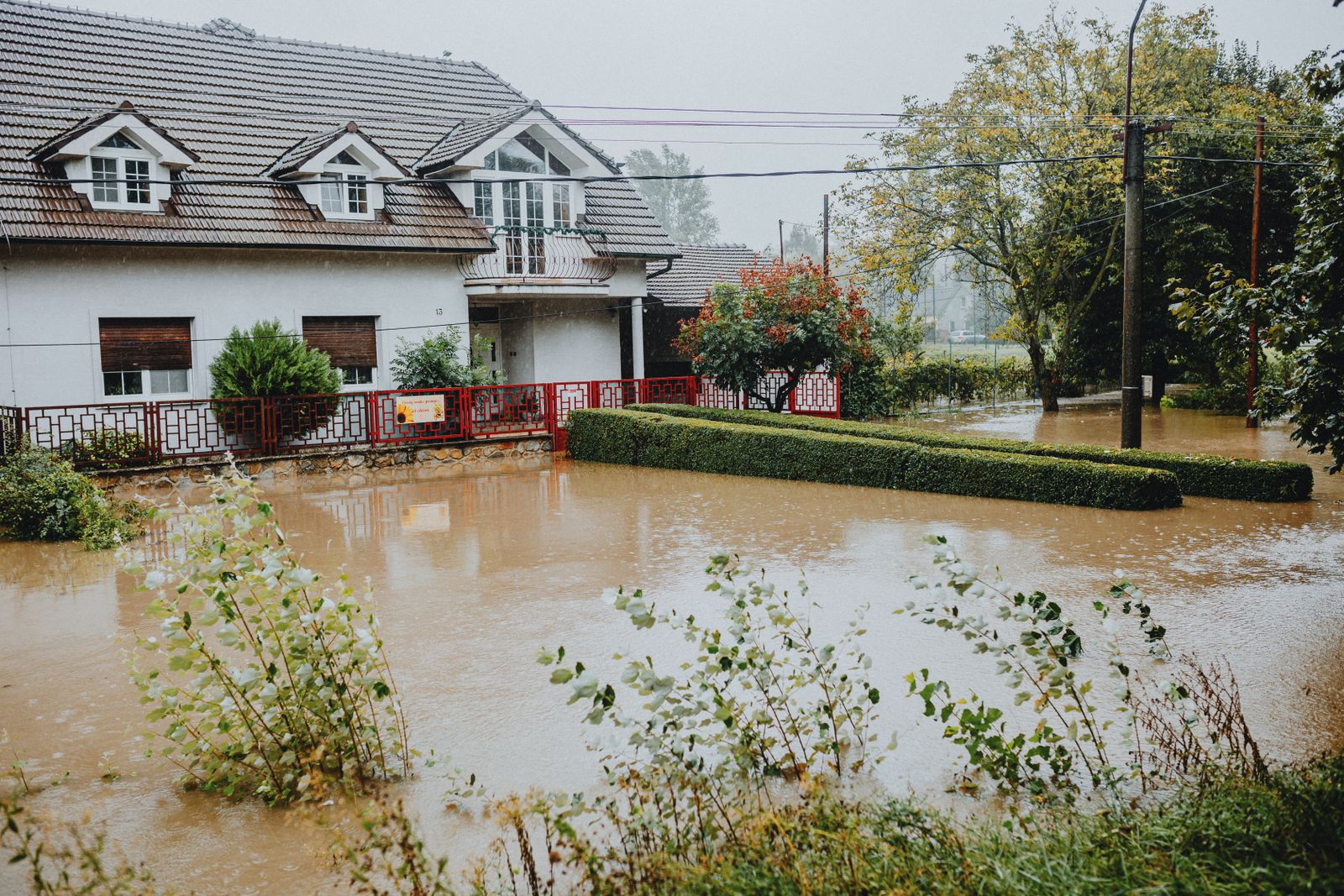
Flood Restoration Companies Near Me: Fast Response in North Carolina
Learn how REN Services & Restoration handles emergency water extraction, structural drying, and flood recovery across our service area.
Read More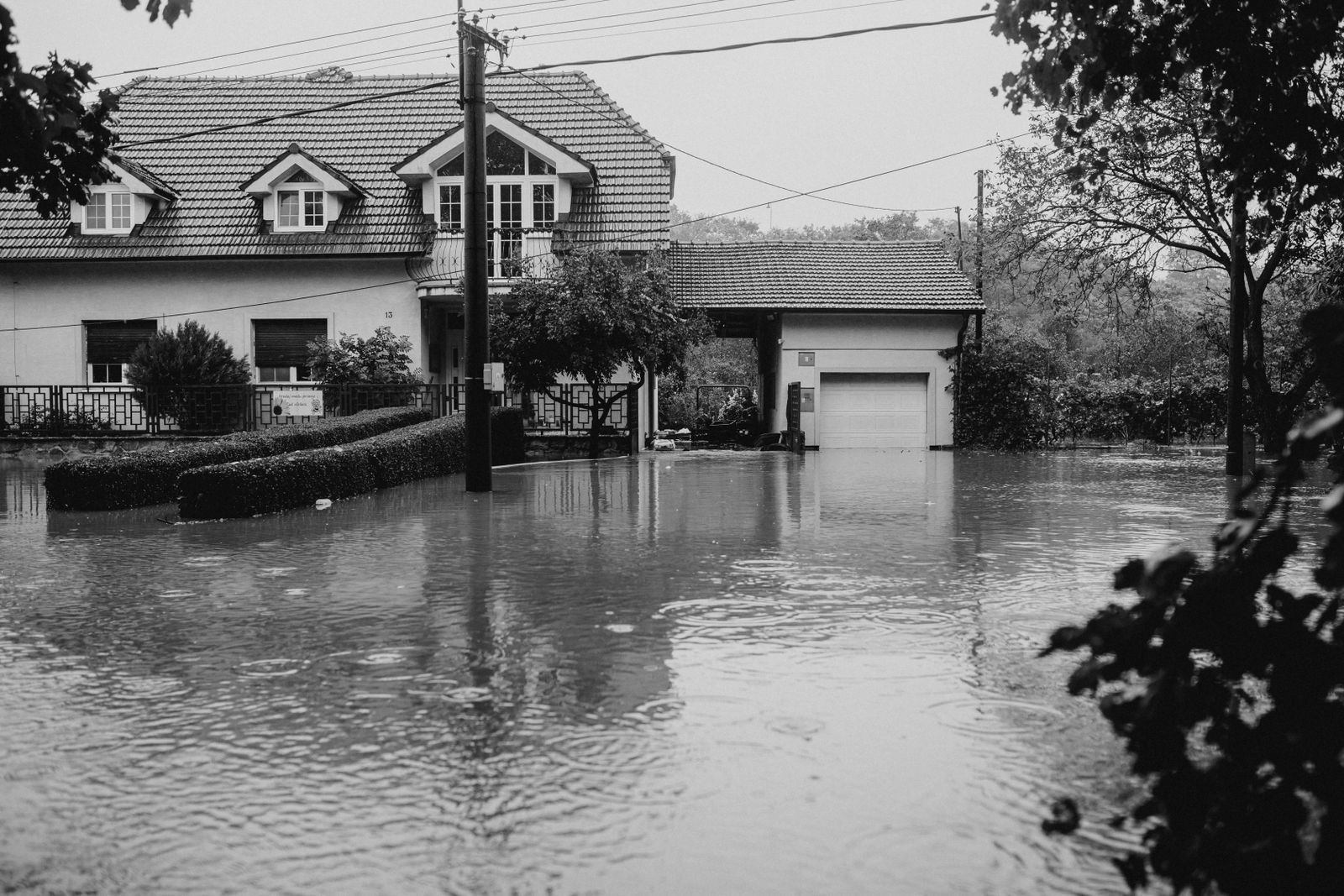
Water Damage Restoration Service Near Me: Professional Home Recovery
Need water damage restoration service near me? Learn REN Services & Restoration's water mitigation, extraction, drying, and recovery process.
Read More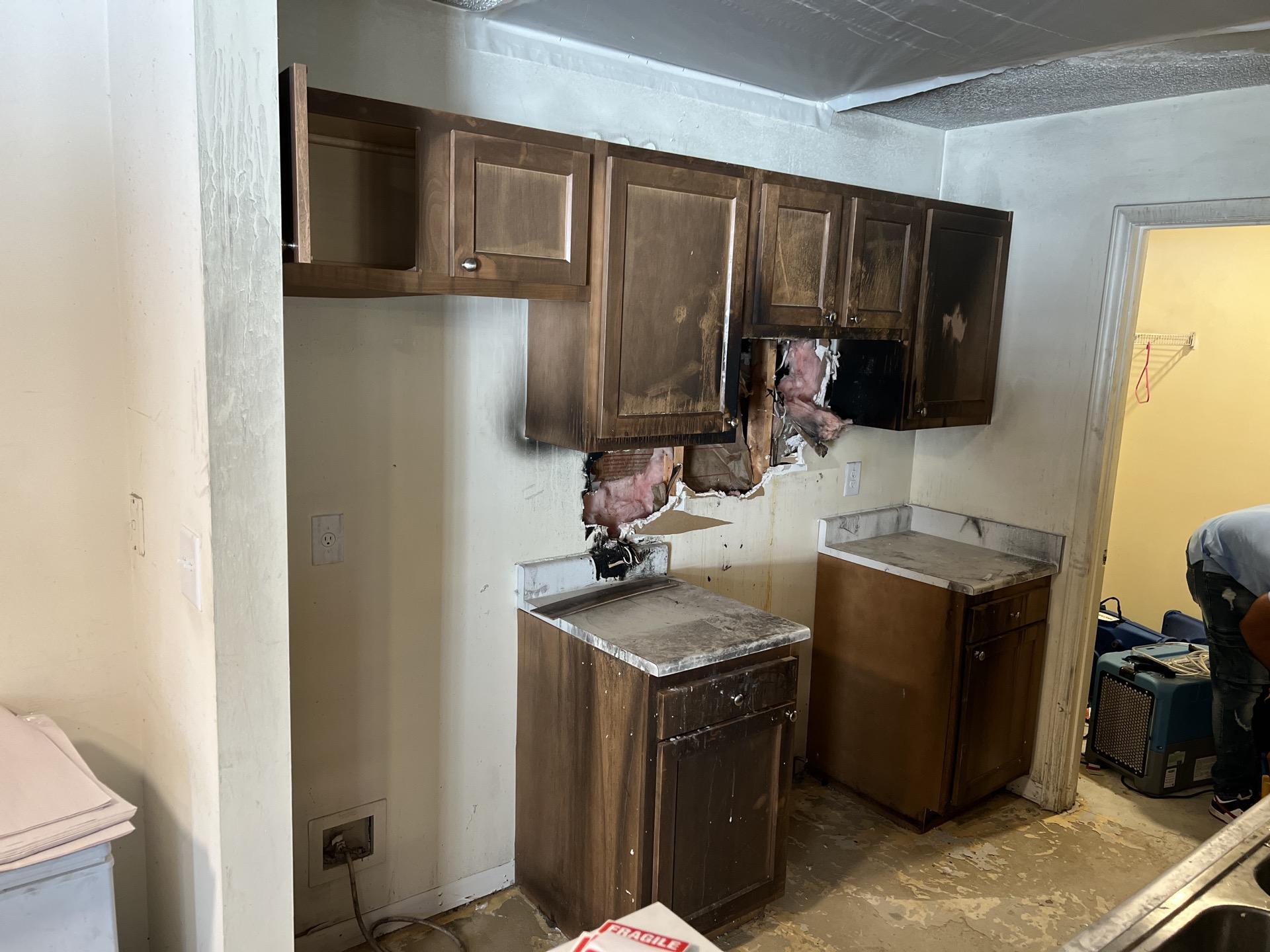
The Step by Step Process of Fire and Smoke Damage Restoration
Dealing with fire damage is overwhelming. Discover the professional step by step process used to address fire, smoke, and soot damage.
Read More